Tougher environmental requirements for the construction industry
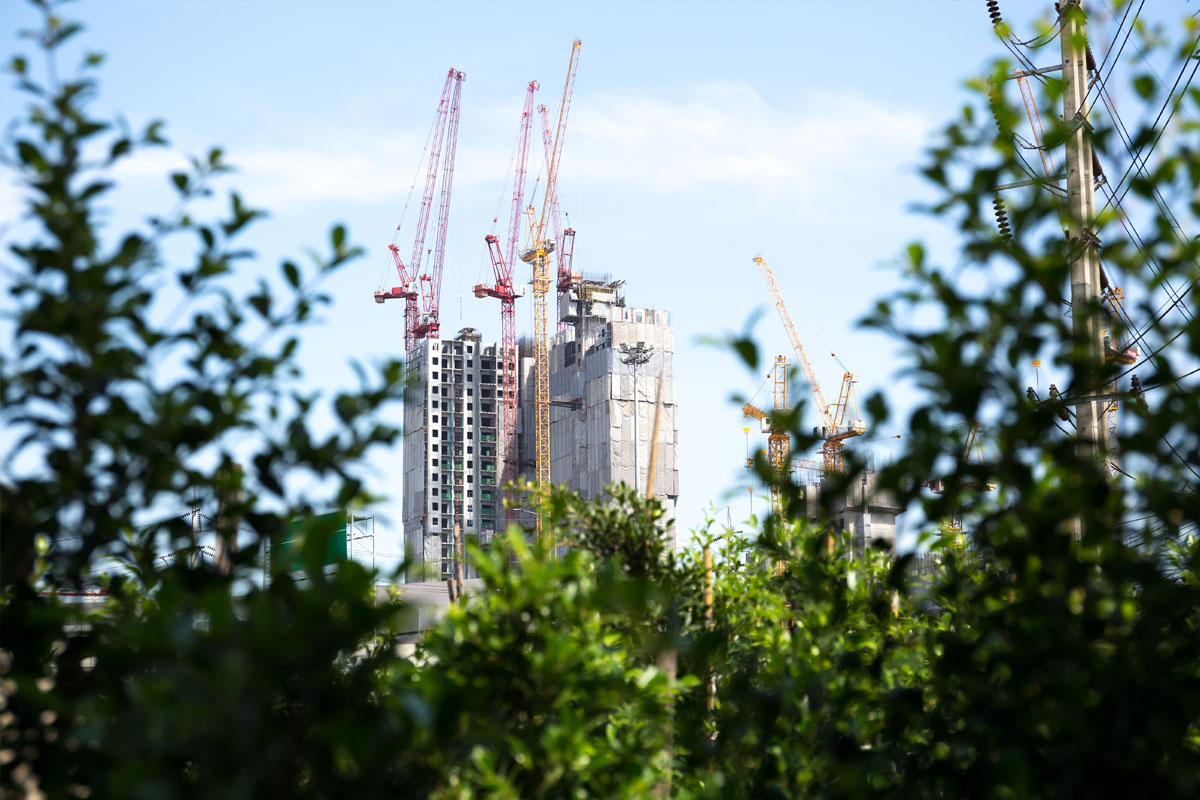
From January 2022, developers will be required to report climate impact when constructing buildings. What does the climate declaration requirement involve — and how do you prepare?
Emissions from the construction and property sector currently account for just over a fifth of Sweden's climate emissions. To reverse this trend, the government wants to introduce a climate declaration for the construction of buildings. But what does the requirement actually involve?
In short, the proposed legislation means that from January 2022 developers must report climate impact when a new property is commissioned. The building's entire climate impact during the construction phase must be reported, including emissions from building materials and transport. A climate declaration will therefore become a prerequisite for a municipal final inspection certificate approving the build.
The National Board of Housing, Building and Planning's remit
The National Board of Housing, Building and Planning (Boverket) has been tasked by the government with taking measures during 2020–2022 to help stakeholders meet the climate declaration requirement. According to the remit, Boverket is to:
- Produce information and guidance materials, along with a plan for the continued development of climate declarations.
- Include the entire life cycle and cover threshold values for climate impact.
- Develop an open database of relevant climate data.
- Develop a register for climate declarations.
A proposed plan for the continued development was submitted to the government by 12 June 2020 at the latest.